
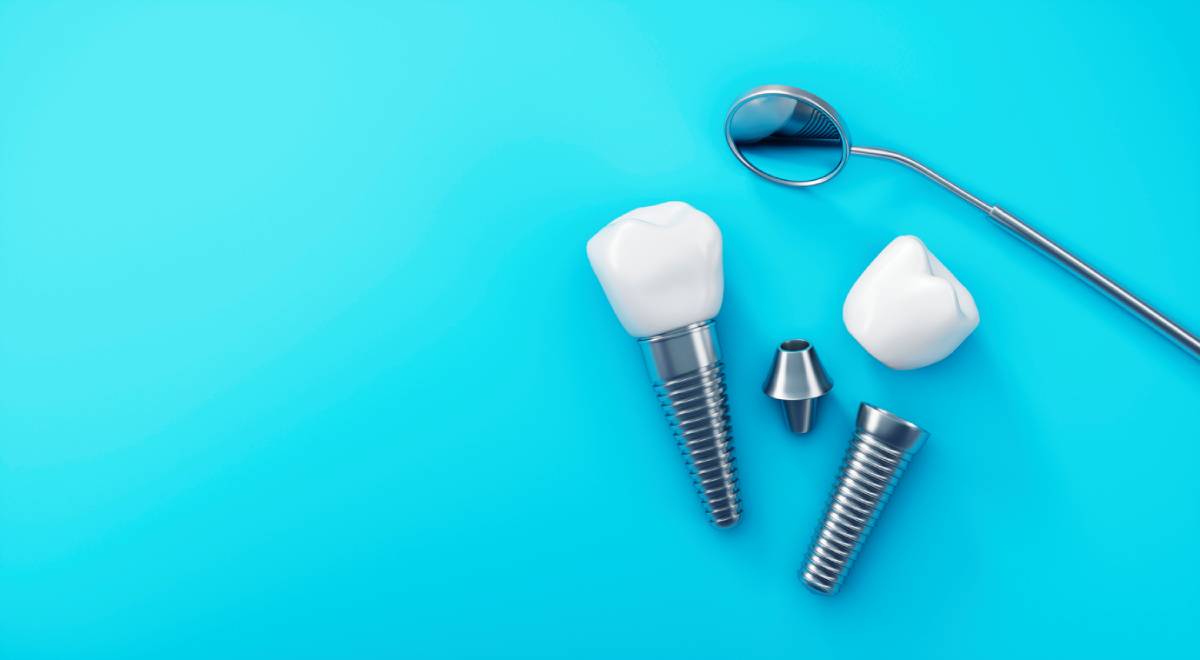
When it comes to options for replacing a missing or severely damaged tooth, it’s difficult to beat dental implants. Unlike dentures and dental bridges, a dental implant is physically anchored in the jaw. It’s a longer process, but it offers superior support and continued interaction with the bone. So can dental implants stop bone loss?
Can Dental Implants Stop Bone Loss?
By engaging with the bone on a daily basis, a dental implant sends the proper signals to your body to recycle old bone and grow new bone tissue. This process is known as remodeling, and it is actually what prevents bone loss and keeps your jaw healthy.
Who Needs Dental Implants?
Dental implants are intended for patients who have missing teeth or need to have a tooth extracted. If you are missing multiple teeth, it is possible to replace each individual tooth with a dental implant, but that can be quite costly.
If you are missing many teeth, then you can discuss hybrid approaches with your dentist in Irvine. It is sometimes possible to anchor a dental bridge or dentures with dental implants to improve stability and provide some protection against bone loss.
How to Deal with Existing Bone Loss
A dental implant requires a healthy section of jawbone. Attempting to place a dental implant in a weakened area could result in the failure of the implant and severe damage to your jaw.
Fortunately, modern technology does make it possible to address bone loss, allowing many more patients access to dental implants.
If your initial x-rays reveal that your jawbone has softened or is compromised in some other way, then your dentist will discuss whether or not a bone graft is possible.
What Is a Bone Graft?
A bone graft requires your dentist to surgically access the bone through your mouth in order to place a synthetic piece of bone against the damaged surface.
Ideally, your jaw will respond to this procedure by building new, healthy bone around the graft, reinforcing the entire section of your jaw. This process can take several months, but it’s well worth the wait if you’re concerned about the long-term health of your jaw.
The Process of Receiving a Dental Implant
Whether your jaw was already healthy or you needed a bone graft, the rest of the process of getting your dental implants in Irvine will be very similar. In most cases, it is broken up into two separate procedures with several months of healing in between.
Step 1:
The first procedure will place the post of the dental implant. The post is a strong metal rod that secures the rest of the structure to your jaw. In order to place it, your oral surgeon will cut through your gum to access your jawbone.
The post will be drilled into the jawbone. Then the tissues will be sanitized and closed. In most cases, the second piece of your implant, called the abutment, will be placed during this visit as well. The abutment will eventually serve to connect the post to the crown of your dental implant.
Step 2:
Before your oral surgeon can move on, they need to wait for your jaw to heal. The same remodeling process that keeps your bones healthy and allows bone grafts to work will slowly happen around the post of your dental implant.
As new bone grows, the grooves of the post will be completely enveloped, creating an incredibly sturdy support structure for the rest of your dental implant that also will help to signal continued remodeling of the bone.
Overall, the healing process can take several months. You can expect it to take a bit longer if you’re older, have specific health concerns, or smoke. It may take a little less if you’re young and healthy.
Step 3:
The final procedure will place the crown on the abutment. Your crown will likely be made of porcelain, and it will look exactly like your real teeth. It can even be color-matched, so that no one will ever know it isn’t 100% real.
The Lifespan of a Dental Implant
With proper care and maintenance, the post of your dental implant can last a lifetime. You may have to get a new crown every ten to twenty years. But that’s a small price to pay for a lifetime of security and bone health.